
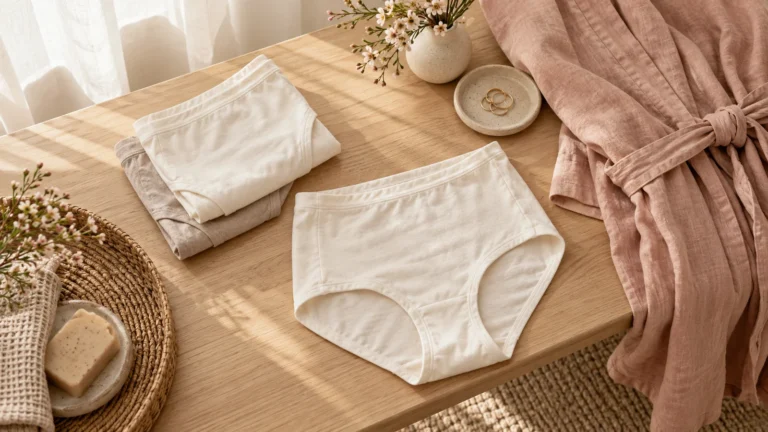

Postpartum underwear: Australian fit and buying guide
Compare postpartum underwear fit, fabrics and reusable or disposable options, with practical reminders to discuss recovery needs with your care team.

Your last pregnancy may not have been as expected, you may have miscarried and many people later have a healthy pregnancy. If you have had a miscarriage, the obvious feelings of fear and anxiety tend to overpower any other emotion, but do know that this is quite common among many women and there is no right way to feel after a loss. Fertility can return quickly after a miscarriage, but the right time to try again depends on your recovery, treatment and how you feel.
After miscarriage, avoid vaginal sex until bleeding has stopped and you feel comfortable. Fertility can return quickly, so use contraception if you are not ready for another pregnancy. Ask your treating clinician when trying again is appropriate for your recovery and treatment. Queensland Health recovery guidance.
For specific situations like uterus scarring, high blood loss and placenta remains; your healthcare practitioner may advise a specific time period or a longer wait.
Though your body may be physically ready – miscarriages are accompanied by a range of emotions – feeling of loss, grievance, sadness and guilt. Take the time you need and discuss trying again with your healthcare professional. You do not have to stop grieving before making that decision. Don’t rush into something you may not be mentally prepared for.
Pregnancy hormone hCG can remain detectable for a few weeks after miscarriage. A positive home test during this time may reflect the previous pregnancy. Follow your clinician’s testing plan and ask them to interpret a positive result. Australian pregnancy-test guidance.
Preventing another miscarriage is out of your control but what you can take control of is your health – maintaining a healthy lifestyle for you and the baby is crucial.
“If trying to fall pregnant, you must visit the doctor to review your health, should track your ovulation cycle, consume folic acid, maintain a healthy weight, exercise and eat well.”
If you have had two or more miscarriages, discuss assessment with your doctor. Investigations are chosen for your history and may include ultrasound and selected blood tests. A broad panel of scans and surgery is not routine for everyone after one loss. Your clinician can explain which tests may help and why. RANZCOG miscarriage guidance.


Many people have a successful pregnancy after miscarriage, but your individual outlook depends on your circumstances and history. Ask your clinician about follow-up and support before trying again. Pregnancy-loss support and recovery information.
Whether or when to try again is your decision, with support and medical advice if you need it. Keep an eye out for these early pregnancy signs if you feel you are pregnant.


Compare postpartum underwear fit, fabrics and reusable or disposable options, with practical reminders to discuss recovery needs with your care team.


Compare maternity support belt designs, fit and care, with Australian guidance on pregnancy pain and when to seek individual advice.


Australian swaddling advice on hip movement, overheating and rolling signs, with Red Nose’s dedicated stopping guidance and one plain fabric-wrap example.


Nipple shields need individual assessment and fit checks. Seek lactation support and monitor feeding and growth; a shield does not guarantee milk intake.


Why padded loungers and nests are not infant sleep spaces, with Australian safe-sleep guidance and named product recall notices.
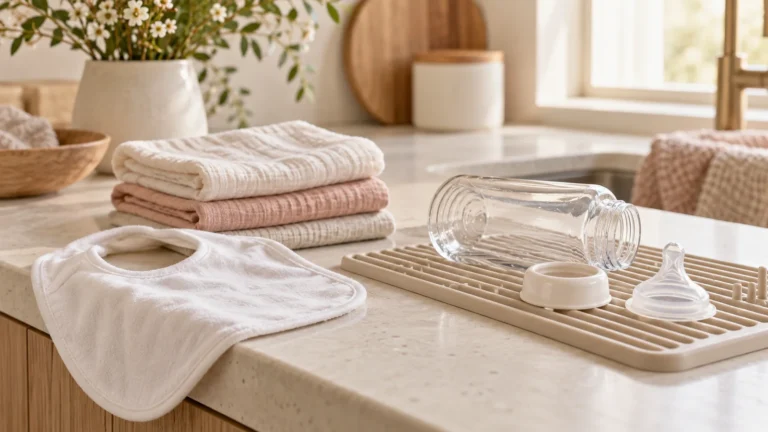

Compare bottle sizes, teat flow and cleaning requirements, with Australian reminders on holding your baby for feeds and preparing feeds safely.