
Search

Motherhood,
and life after birth
THE MOTHERHOOD JOURNAL
The weeks after birth are about you as well as your baby. Find a place for recovery, changing feelings, feeding questions and the ordinary jobs of a new day. Begin with what matters to your family, and keep room for help along the way.
Explore the motherhood journal
These links lead to existing articles. Product details, availability and recommendations may have changed since they were written. Check current instructions and retailer details before buying.

Postpartum underwear
Explore postpartum underwear options and practical details to consider, such as fit, absorbency and care. Product details and availability may have changed since the original article.

Swaddling and safety
Before wrapping, read Red Nose’s current safe-wrapping guidance. Keep the head and face uncovered, allow hip and knee movement and stop wrapping as soon as your baby shows signs of trying to roll or reaches 3 months of age.

Nipple shields and feeding support
Nipple shields need individual assessment and fit checks. Seek lactation support and monitor feeding and growth; a shield does not guarantee milk intake. See the Australian Breastfeeding Association’s nipple-shield guide.
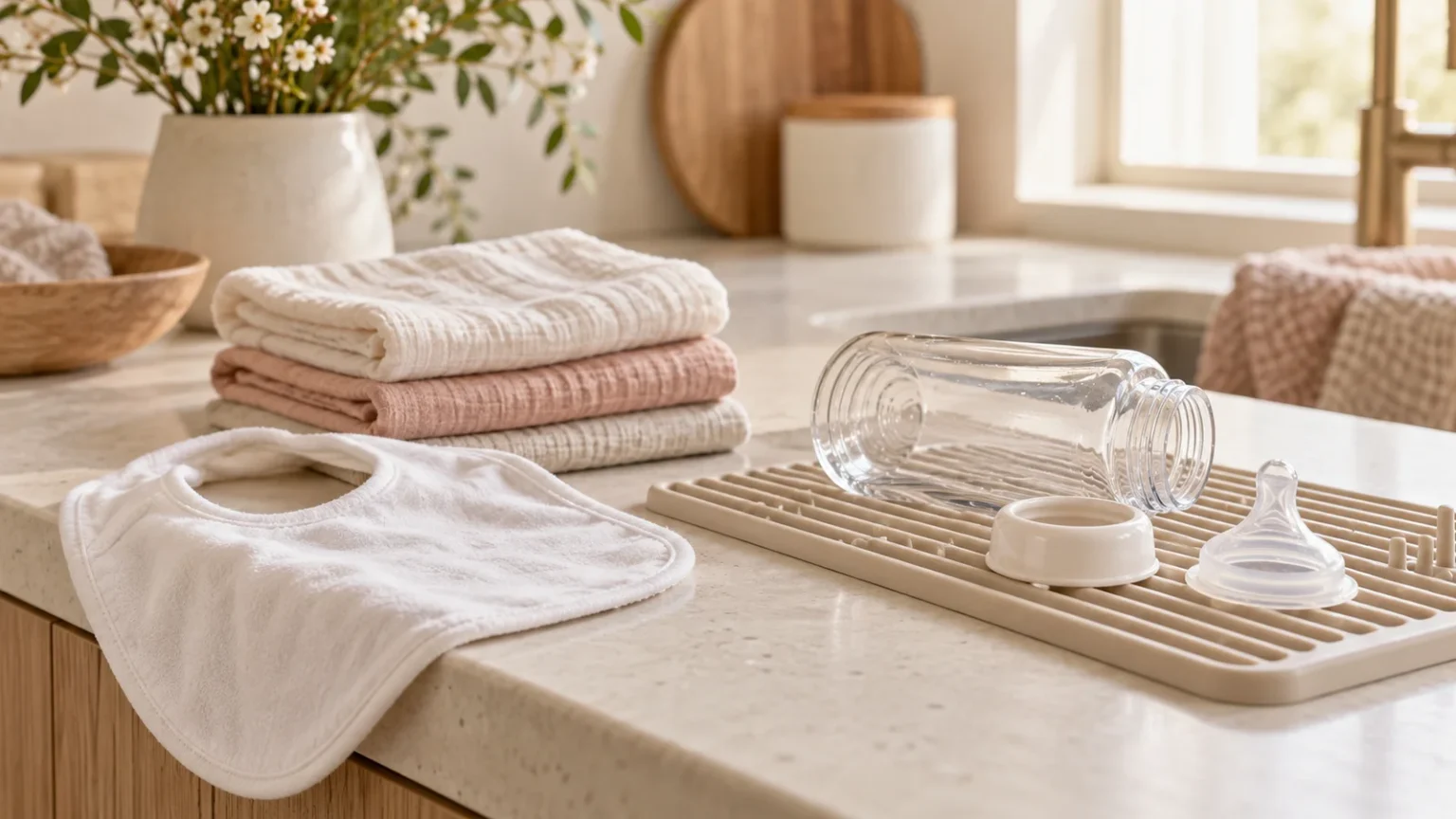
Baby bottles and everyday care
Compare materials, teat flow and cleaning needs, with practical guidance on feeding support and caring for equipment.

A practical changing setup
Explore changing-mat sizes, cleaning and hands-on supervision, and choose a setup that fits your space.

Carriers: fit and airway safety
Read about carrier types, individual fit and keeping your baby’s airway clear, with links to Australian safety guidance.
Recovery belongs in the plan too
Your baby’s needs can fill a day quickly, but your own recovery deserves attention as well. Keep the instructions from your maternity service somewhere easy to find and ask who to contact with questions after discharge. Ask about the follow-up appropriate to your birth and health needs, rather than comparing your progress with someone else’s timetable.
Write down what you want to discuss: comfort, bleeding, bladder or bowel concerns, feeding, sleep, medicines, movement or how the birth has left you feeling. You do not have to decide whether a concern is important enough before asking. Pregnancy, Birth and Baby’s postnatal-health information explains topics to bring into those conversations.
Ask your care team about activity and recovery before using a generic fitness timetable. Buying a recovery product cannot replace advice about pain or another health concern.
Support for your first weeks at home
You deserve care too. Choose the help that fits your family, and keep your care team’s details somewhere easy to find.

1. Make meals easier
Keep easy meals and drinks within reach. If someone offers help, ask for groceries or a meal you can reheat.
2. Share practical jobs
Ask someone you trust to help with washing, dishes, errands or caring for other children.
3. Protect some rest
Where possible, arrange for a trusted adult to care for your baby while you rest. Visits can wait or be kept short.
4. Ask about feeding
Your midwife or child and family health nurse can help with feeding questions and connect you with further support.
5. Keep care connected
Confirm follow-up care for you and your baby, save contact numbers and write down questions about recovery or your baby’s care.
6. Say how you feel
Tell your GP, midwife or child and family health nurse if worry, low mood or feeling overwhelmed is affecting daily life.
One small step today
Choose one person or service to contact and one practical thing you would like help with.
For concerns about you or your baby, contact your care team. Do not wait for a routine appointment if you need help. Call 000 in a medical emergency.
General information for Australian readers. Follow your own care team’s advice about recovery and follow-up.
Sources checked 24 October 2026: Being at home with your baby; Your baby and the first few weeks; Mental wellbeing after pregnancy.
Make space for how you are feeling

Becoming a parent can bring affection, uncertainty, exhaustion and feelings you did not expect. You do not need to tell a cheerful story to deserve support. If thoughts or feelings are worrying you or affecting day-to-day life, speak with your GP or another trusted health professional. PANDA’s guidance on support after birth explains how to begin that conversation and find further help.
You might start with a plain sentence: “I am not feeling like myself” or “I am finding this hard to manage.” A private note can help if it is difficult to explain in an appointment. Tell the person what has changed and what support you already have. Ask what happens next and how to get back in touch if things change.
Friends and family can help with everyday jobs, but they do not have to be your only source of support. PANDA provides information and pathways for parents and support people. If you or someone else is in immediate danger, call 000. Do not wait for a routine appointment.
Feeding support starts with your circumstances
Whether you are breastfeeding, expressing, formula feeding or combining methods, take questions about feeding and your baby’s wellbeing to your maternity or child-health team. Explain what you are trying to do and what is difficult. Ask who can watch a feed, check what is happening and help you make a workable plan, rather than buying equipment first.
For breastfeeding information and support, the Australian Breastfeeding Association’s National Breastfeeding Helpline is available on 1800 686 268. Its counsellors provide breastfeeding support; medical questions still belong with an appropriate health professional.
If formula or mixed feeding is part of your plan, use the current official instructions for the product and ask your health professional about preparation, cleaning and what suits your family. Pregnancy, Birth and Baby provides guides to formula feeding and mixed feeding. A general article cannot decide an individual feeding plan.
A support person can make the practical parts easier: bring a drink, prepare a meal, help keep supplies organised or take notes while you ask questions. Keep the mother’s comfort and preferences part of the conversation too.
Build a gentler everyday rhythm
You do not need to establish a perfect routine in the first weeks. Start with the tasks your household needs today and decide what can wait. It can help to keep a short shared list of meals, washing, appointments and the practical help someone has actually offered. “Could you bring dinner on Tuesday?” is easier to act on than a general promise to help.
Agree what feels manageable for visitors and who will communicate it. If you have older children, think about the small familiar things you want to keep in their day and who can help with them. Plans can change as you learn what works; the purpose is to reduce the number of jobs you are carrying in your head.
Know where to ask the next question
Before a follow-up appointment, note your questions about your own physical and emotional wellbeing as well as your baby’s care. Ask your maternity service, GP or maternal and child health nurse what local support is available and how to access it. Pregnancy, Birth and Baby describes the postnatal check as an opportunity to discuss recovery and wellbeing.
You are welcome to use the journal below to gather questions, explore everyday choices and find the next topic that matters to you. Product guides are optional reading. You do not have to buy a collection of things to begin caring for yourself or your baby.
Reading for the questions that follow you home
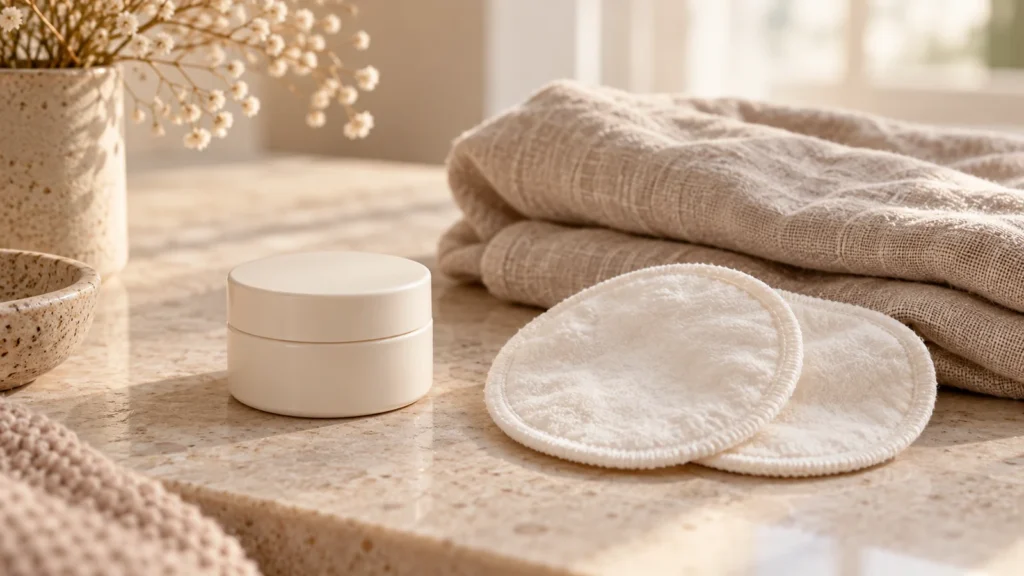
Nipple care and comfort
Compare ingredients and care instructions, and understand why persistent nipple pain needs feeding support rather than another product alone.

Feeding pillows: fit and safety
Explore optional feeding support, fit and cleaning. Feeding pillows are not sleep spaces; keep supporting your baby during feeds.
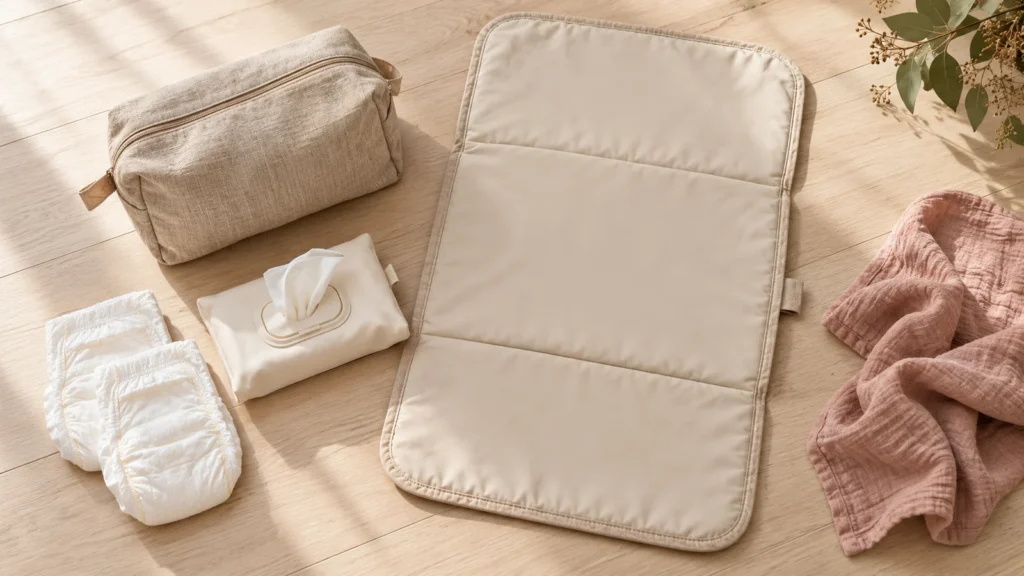
Changing away from home
Compare portable mat features, cleaning and supervised changing, with practical ideas for packing a simple kit.

Nappy care and barrier creams
Read about gentle care, comparing barrier ingredients and when a rash needs advice from a health professional.
Explore your next chapter
An Australian journal for pregnancy, baby and motherhood.
YOUR CHAPTER
PREGGY LOVE
© Preggy Love. All rights reserved.