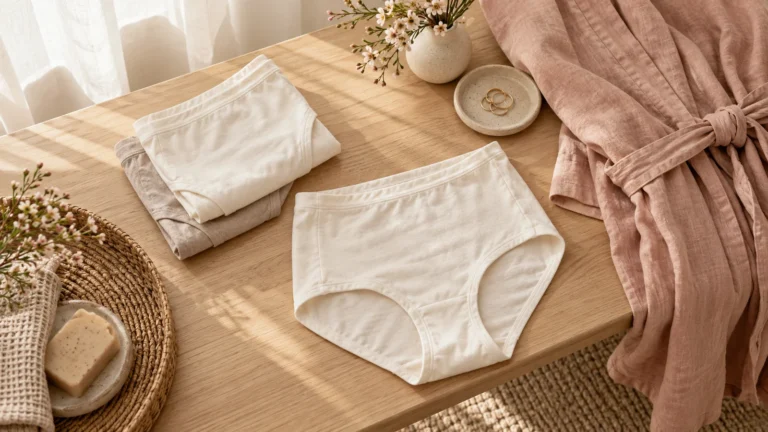

Postpartum underwear: Australian fit and buying guide
Compare postpartum underwear fit, fabrics and reusable or disposable options, with practical reminders to discuss recovery needs with your care team.
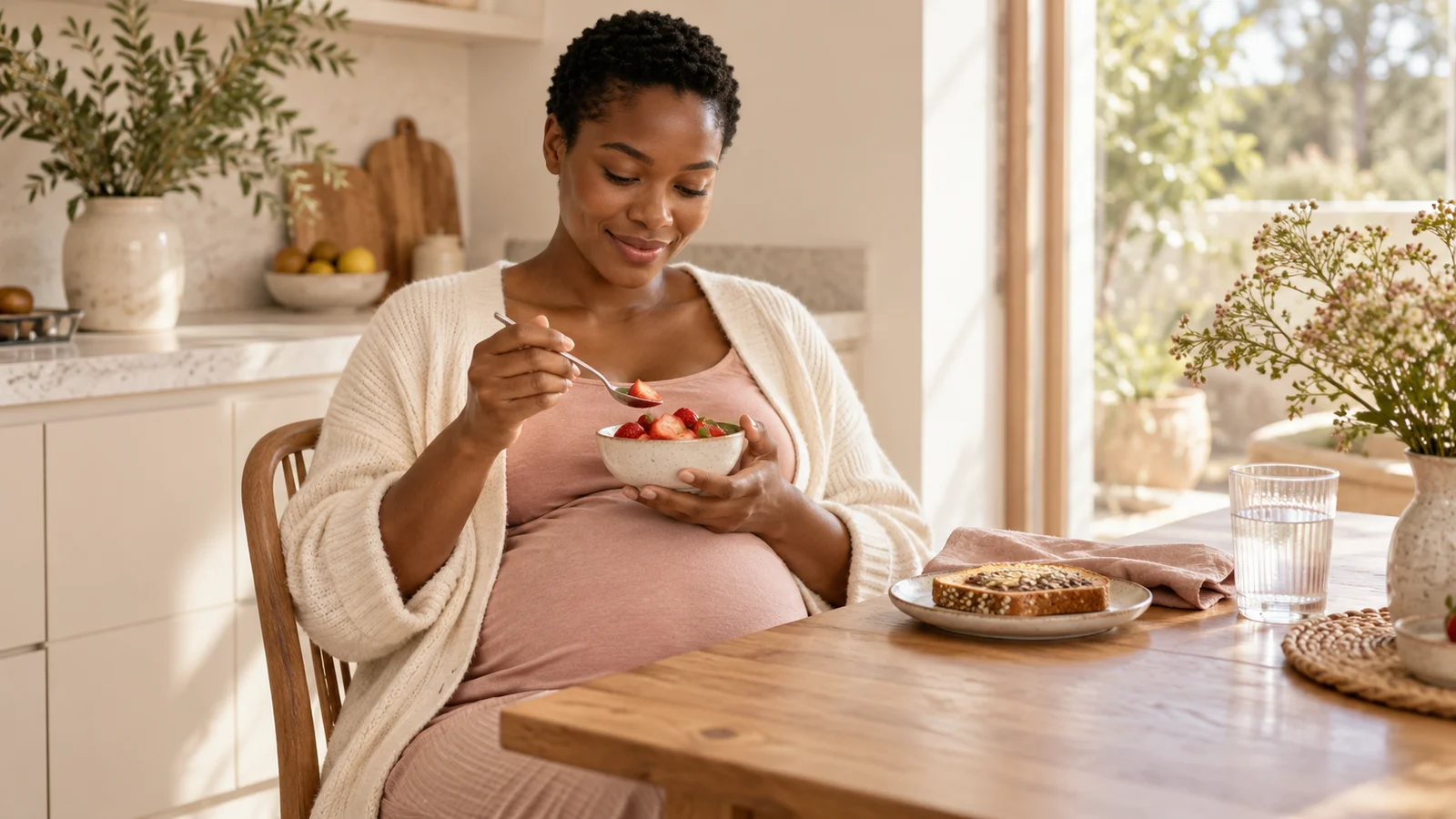
Food cravings are common during pregnancy, although not everyone experiences them.
You may have questions about what pregnancy cravings mean, when they start and how to manage them.
A craving is a strong desire for a particular food. You might want a food you do not usually eat or find that your preferences change.
The reasons for individual cravings are not always clear. Read Pregnancy, Birth and Baby’s information on food cravings.
If cravings make balanced eating difficult, ask your GP, midwife or an accredited practising dietitian for support.
Cravings can change during pregnancy. Not everyone experiences them, and your experience may be different from someone else’s.
A food aversion is a strong dislike of a food you might usually enjoy. Food aversions can go hand in hand with pregnancy nausea. Changes in your sense of smell and taste may also make some foods less appealing. See Pregnancy, Birth and Baby’s appetite and food-aversion guidance.
Preferences vary. You might want sweet, salty, sour or starchy foods, fruit, dairy foods or unusual combinations such as pickles and ice cream. Check food safety during pregnancy before eating the food you want.


Check that the food you’re craving is safe during pregnancy, and keep eating a variety of nutritious foods. If you crave non-food items, speak with your GP or midwife.
Research has not shown a consistent link between pregnancy cravings and gestational diabetes. If cravings make balanced eating difficult, your GP, midwife or an accredited practising dietitian can help.
Read Pregnancy, Birth and Baby’s food-cravings guidance, along with our articles on food during pregnancy and drinks during pregnancy.


Compare postpartum underwear fit, fabrics and reusable or disposable options, with practical reminders to discuss recovery needs with your care team.


Compare maternity support belt designs, fit and care, with Australian guidance on pregnancy pain and when to seek individual advice.
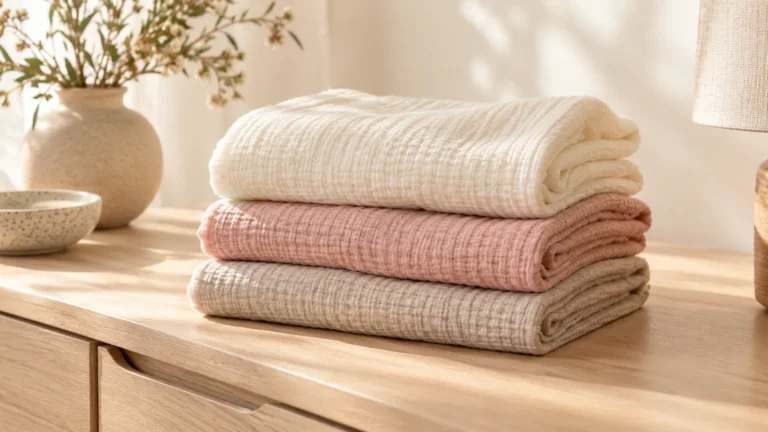

Australian swaddling advice on hip movement, overheating and rolling signs, with Red Nose’s dedicated stopping guidance and one plain fabric-wrap example.


Nipple shields need individual assessment and fit checks. Seek lactation support and monitor feeding and growth; a shield does not guarantee milk intake.

Why padded loungers and nests are not infant sleep spaces, with Australian safe-sleep guidance and named product recall notices.
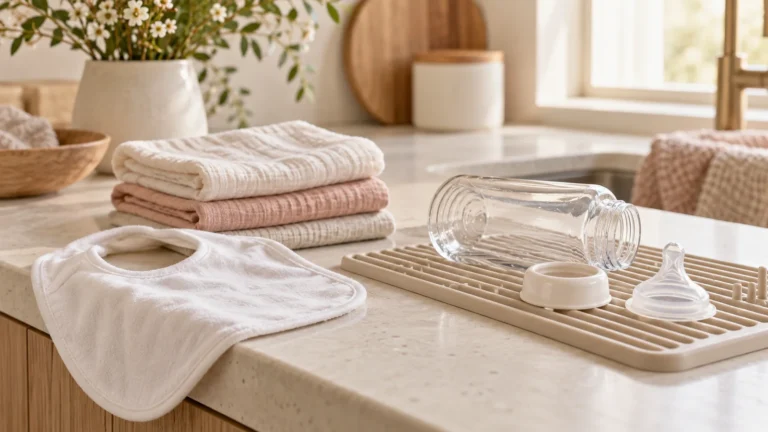

Compare bottle sizes, teat flow and cleaning requirements, with Australian reminders on holding your baby for feeds and preparing feeds safely.