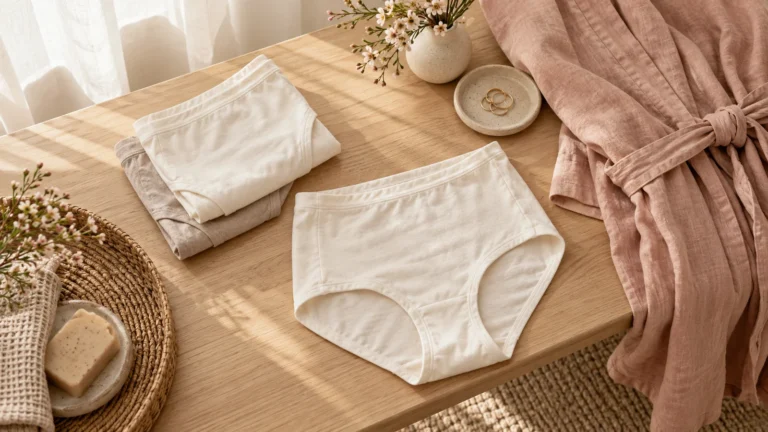

Postpartum underwear: Australian fit and buying guide
Compare postpartum underwear fit, fabrics and reusable or disposable options, with practical reminders to discuss recovery needs with your care team.

If you’re pregnant, it’s understandable to have questions about COVID-19. Pregnancy can increase the risk of serious illness, so knowing how to reduce your risk and when to seek care can help.
This article was first published in 2021. Restrictions and vaccination advice have changed; the links below point to current Australian guidance.
COVID-19 can cause complications during pregnancy. The risk varies with vaccination history, underlying health conditions and the circulating variant. Ask your maternity care team about your individual risk.
Follow current advice from your state or territory health department and your maternity service. If you have respiratory symptoms, contact your care provider before attending an appointment so they can advise how to receive care safely.
Wash your hands from time to time with soap and water for at least 20 seconds. Carry a sanitizer with 60% alcohol with you at all times incase the option of washing hands is unavailable.
Plan repeat prescriptions with your pharmacist or doctor. Check before taking any over-the-counter medicine, supplement or herbal remedy during pregnancy.
Ask your maternity care team or vaccination provider about your current vaccination needs during pregnancy.
If you develop COVID-19 symptoms, take a rapid antigen test as soon as you can and contact your GP or midwife for advice. Let them know before attending an appointment. If you test positive or your symptoms worsen, contact your maternity care team. For difficulty breathing or chest pain, call triple zero (000) and tell the operator you’re pregnant. Read the Australian COVID-19 and pregnancy guidance.
In Australia, call Triple Zero (000) for a medical emergency. Do not delay urgent care because you are worried about infection.
Sources: healthdirect: medicines during pregnancy; Australian Immunisation Handbook.
Health advice can change. Use current Australian health guidance and ask your maternity care team about your circumstances.
Ask your maternity service about current appointment arrangements, support people, visiting and infection precautions. Keep your antenatal appointments unless your care team arranges an alternative.
Sources: healthdirect: routine antenatal tests.
mRNA COVID-19 vaccines can be used safely during pregnancy and breastfeeding. Current Australian guidance says pregnant women can consider a dose from 20 weeks in each pregnancy to help protect their baby; it is safe to receive a dose at any stage. Ask your vaccination provider about your circumstances, timing and current eligibility.
Sources: Australian Immunisation Handbook: pregnancy and breastfeeding.


Stay connected in ways that suit you, whether that is meeting someone you trust, making a phone call or having a video chat.
Make time for activities you enjoy, such as music, gardening or spending time outdoors. Rest when you can, and ask for practical support when you need it.
You do not have to feel positive all the time. If anxiety or low mood is persistent or making daily life difficult, speak with your GP or midwife.
See Pregnancy, Birth and Baby’s first-trimester information.


Compare postpartum underwear fit, fabrics and reusable or disposable options, with practical reminders to discuss recovery needs with your care team.


Compare maternity support belt designs, fit and care, with Australian guidance on pregnancy pain and when to seek individual advice.
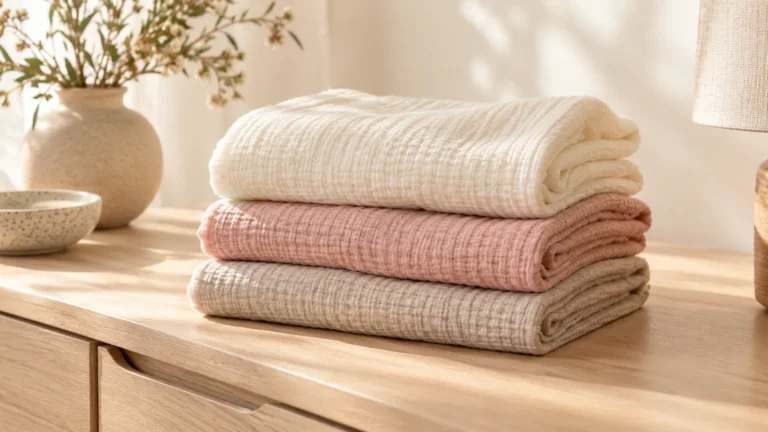

Australian swaddling advice on hip movement, overheating and rolling signs, with Red Nose’s dedicated stopping guidance and one plain fabric-wrap example.


Nipple shields need individual assessment and fit checks. Seek lactation support and monitor feeding and growth; a shield does not guarantee milk intake.


Why padded loungers and nests are not infant sleep spaces, with Australian safe-sleep guidance and named product recall notices.
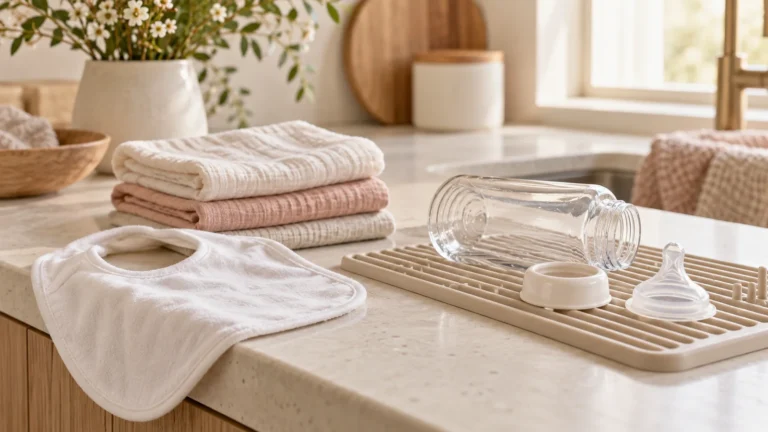

Compare bottle sizes, teat flow and cleaning requirements, with Australian reminders on holding your baby for feeds and preparing feeds safely.